
There are several types of towing, each suited for different vehicle sizes, conditions, and requirements. Here’s a breakdown of common towing types:
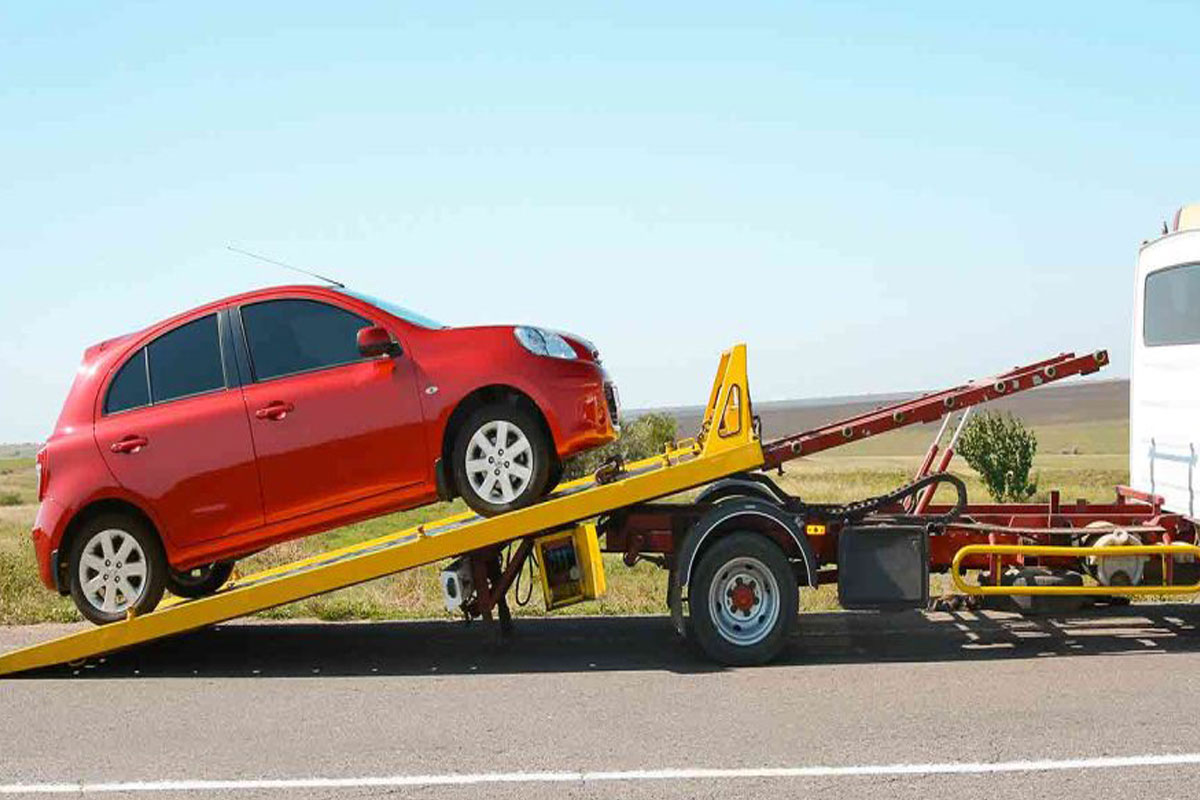
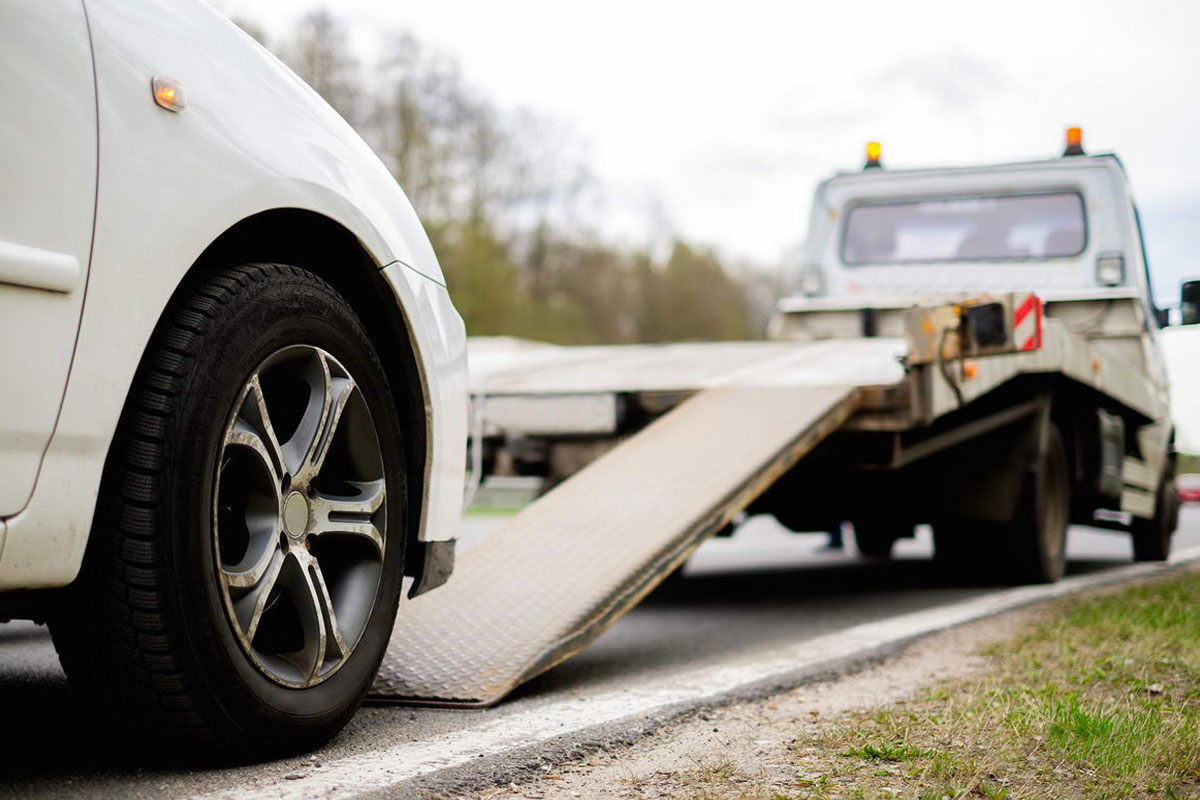
1. Flatbed Towing
Description: The vehicle is loaded onto a flat platform on the back of the tow truck. It’s the safest method since all four wheels are off the ground.
Use: Ideal for all-wheel-drive vehicles, luxury cars, motorcycles, or severely damaged vehicles.
2. Hook and Chain Towing
Description: A chain is attached to the vehicle’s axle or frame, and the tow truck pulls the vehicle with two wheels on the ground.
Use: Often used for junk cars or wrecked vehicles, as it can cause damage to the car being towed.
3. Wheel-Lift Towing
Description: A metal yoke is placed under the vehicle’s front or rear wheels, lifting them off the ground while the other two wheels roll on the road.
Use: Popular for short-distance towing or moving disabled vehicles.
4. Integrated (Boom) Towing
Description: Uses a hydraulic arm (boom) that extends to lift the vehicle, often used with wheel-lift mechanisms.
Use: Suitable for large vehicles like buses or heavy trucks. It’s also used for repossessions or illegally parked cars.
5. Heavy-Duty Towing
Description: Designed for towing large, heavy vehicles such as commercial trucks, buses, RVs, and trailers.
Use: For vehicles that exceed the capacity of standard towing trucks.
6. Fifth-Wheel Towing
Description: Involves using a pickup truck with a fifth-wheel hitch mounted in the bed to tow large trailers or RVs.
Use: Common in recreational towing, such as for RVs, campers, or large trailers.
7. Off-Road or Recovery Towing
Description: Involves towing vehicles that are stuck in off-road conditions (mud, sand, water).
Use: Often requires specialized equipment like winches or off-road recovery trucks.
Each type of towing has its strengths, depending on the vehicle and the situation.


Leave A Comment